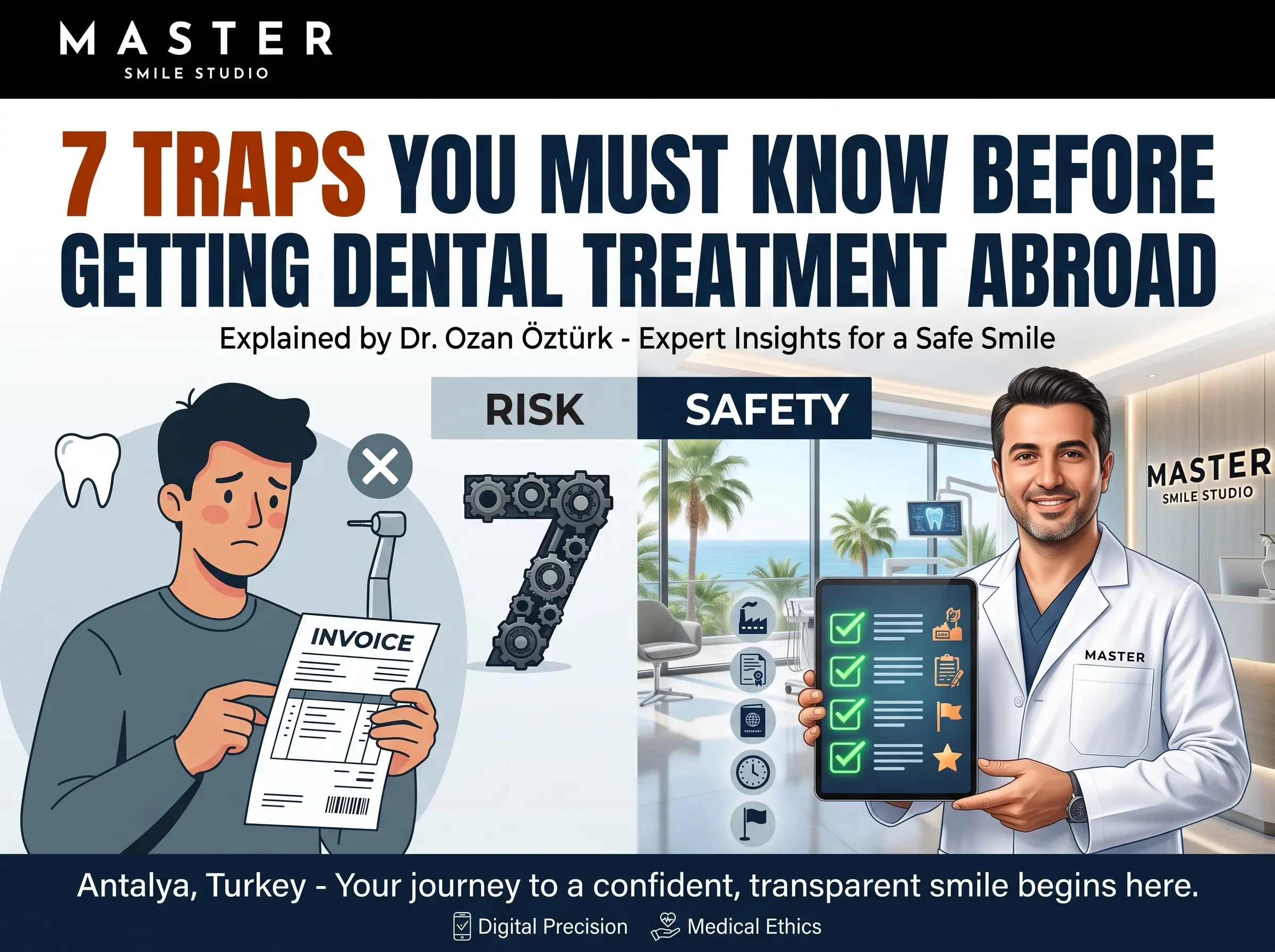
7 Traps You Must Know Before Getting Dental Treatment Abroad
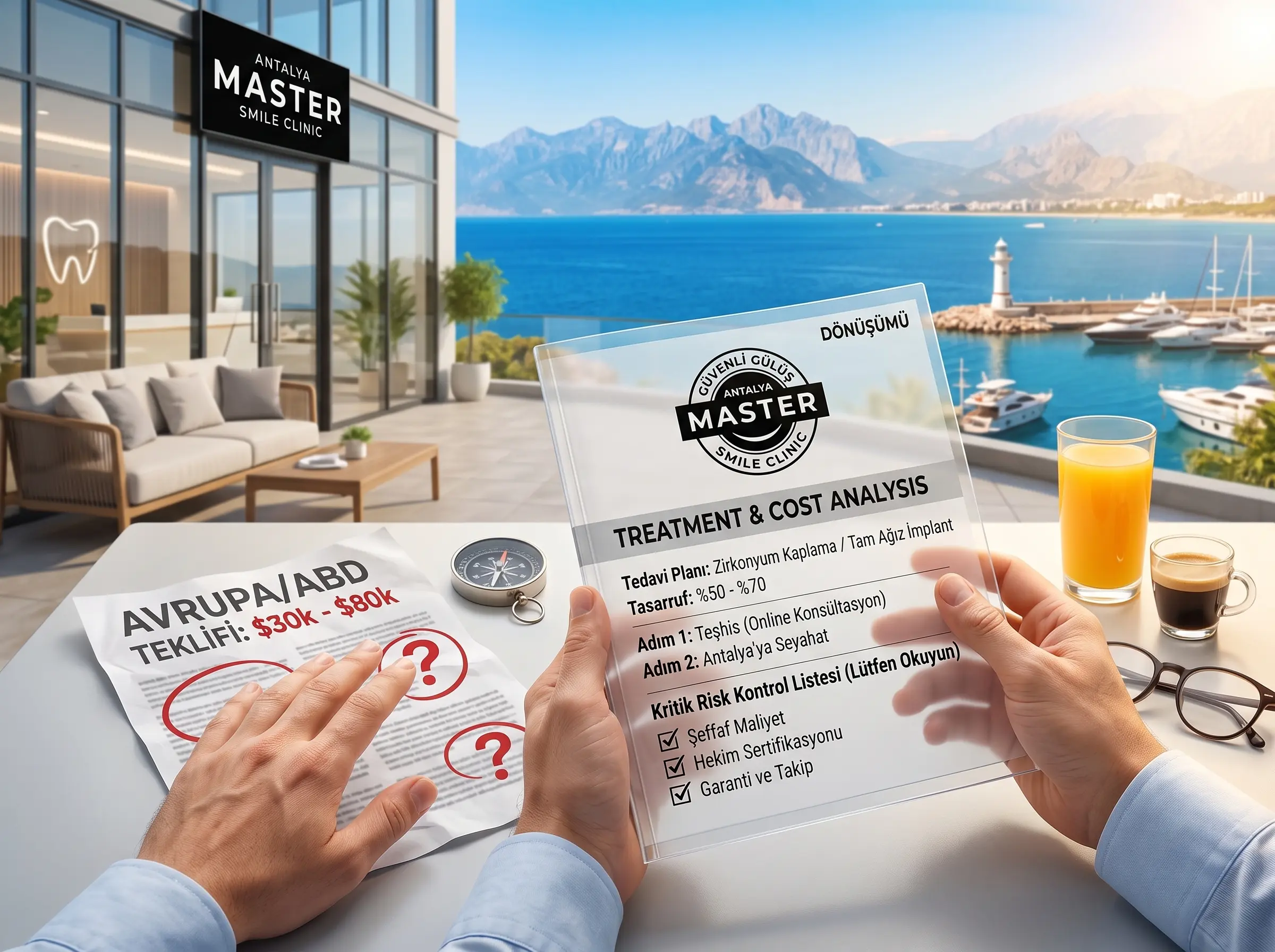
Transforming your smile is one of the most exciting decisions you can make. After receiving exorbitant quotes ranging from $30,000 to $80,000 in your home country for full-mouth implants or cosmetic dental work, it is only natural to look toward one of the world's leading dental tourism capitals: Antalya, Turkey.
Saving between 50% to 75% without compromising on world-class quality is an incredible opportunity. However, as a dentist who has welcomed thousands of international patients over the years, I always emphasize one key truth: getting dental treatment abroad can either be the best decision of your life or a major regret due to poor choices.
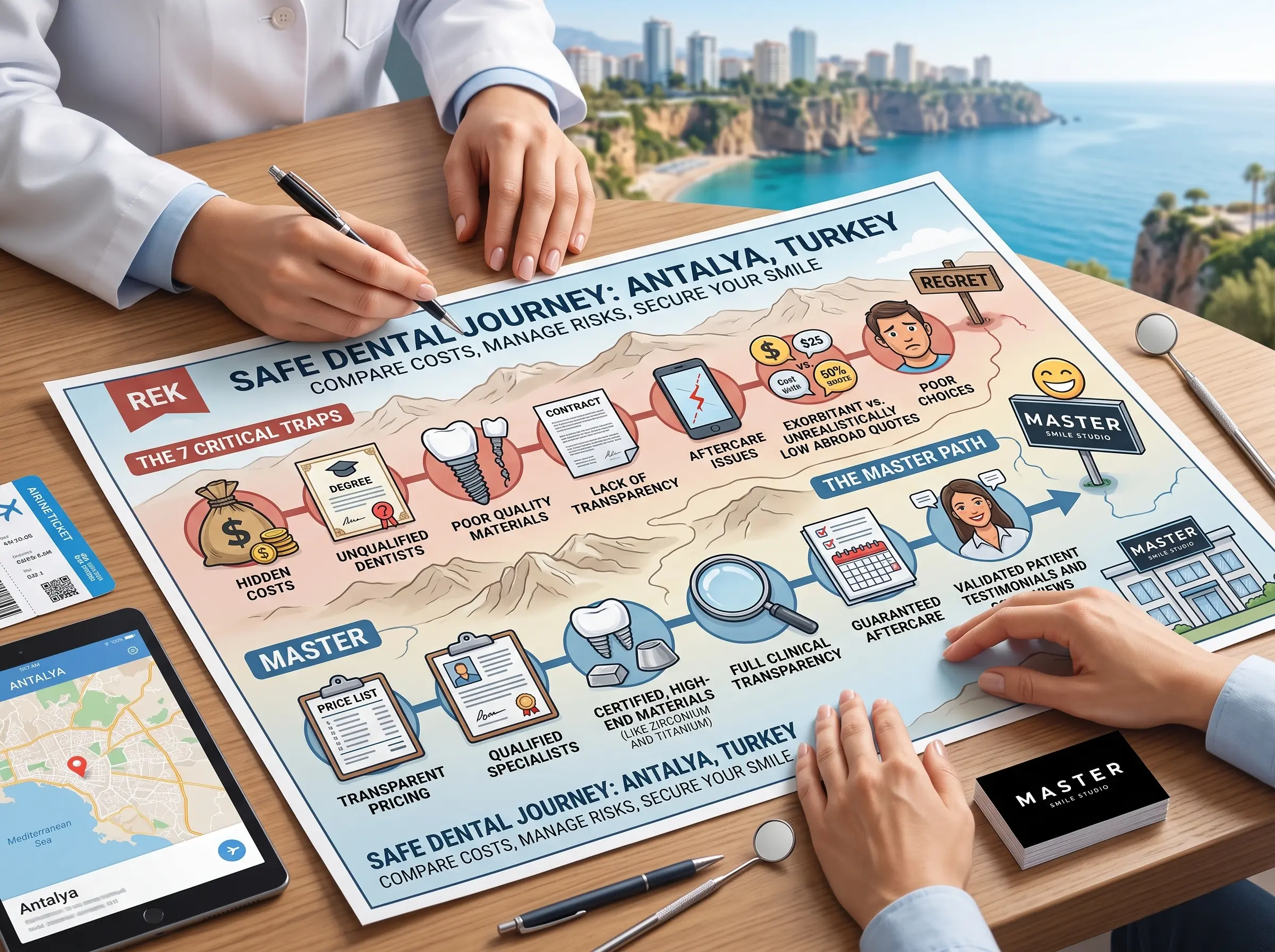
The difference comes down to clinical transparency and your ability to manage risks. To ensure a safe, smooth, and successful journey, I have outlined the 7 critical traps you might encounter during your research—and how to avoid them.
1. The "Dentistry Factory" Mentality and Mass Production
Some establishments operate more like assembly-line factories than personalized dental clinics. Their main goal is to cycle as many patients through the door as possible in the shortest amount of time to maximize volume.
Why It’s Dangerous: Treatments are standardized rather than tailored to your individual anatomy. Even if you only need minor cosmetic adjustments, you may be pushed into aggressive full-mouth prep where all your natural teeth are shaved down.
What You Should Do: Ask the clinic directly: "How many patients does my dentist see per day, and how long is my initial consultation?" Steer clear of places where doctors spend less than 15 minutes with you and focus solely on selling pre-packaged deals.
2. The "Every Dentist is a Specialist" Illusion
Many health tourism agencies and clinics label their entire staff under broad terms like "Expert" or "Cosmetic Dentist." However, in formal dentistry, "Cosmetic Dentistry" is not a standalone certified medical specialty.
Why It’s Dangerous: Having a general practitioner perform a complex All-on-4 dental implant surgery can lead to severe tissue and bone loss. Placing implants into the jawbone requires an Oral and Maxillofacial Surgeon or a Periodontist, while designing complex crowns and prosthetics requires a Prosthodontist.
What You Should Do: Request the name, official credentials, and board certifications of the specific doctor who will perform your surgery.
3. "Bait & Switch" Pricing and Hidden Fees
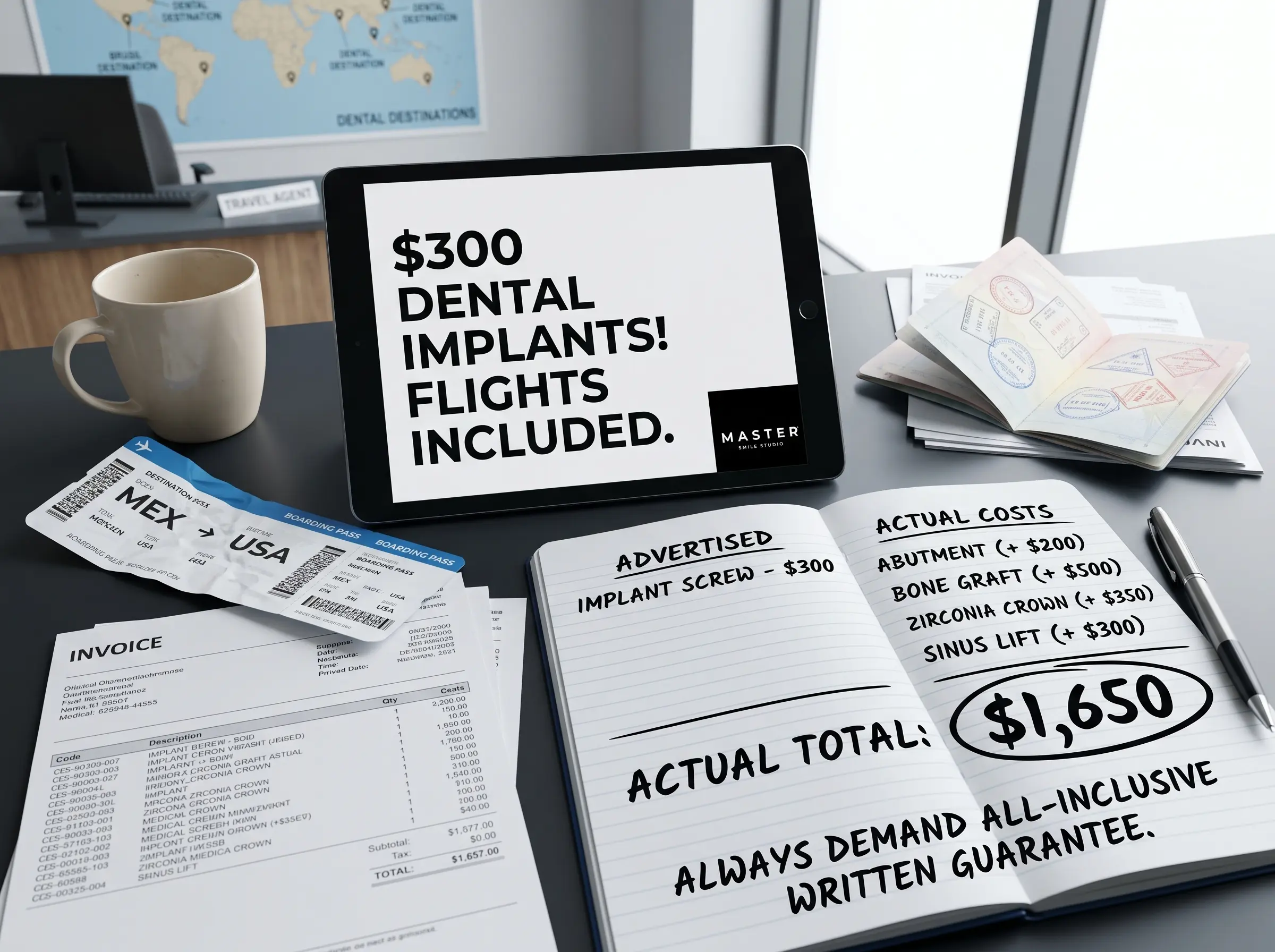
You may see online advertisements promising "$300 Dental Implants." These unrealistic figures are almost always marketing hooks designed to get you on a plane.
Why It’s Dangerous: Once you sit in the dental chair, you discover that the $300 quote only covers the titanium screw itself. Essential components—such as the abutment, temporary teeth, permanent zirconia crown, bone grafting, or sinus lifts—are added as "extras," ballooning your final bill significantly.
| Itemized Procedure | Advertised Price | Actual / Complete Cost |
|---|---|---|
| Implant Screw | $300 | $300 |
| Abutment | Hidden / Not Included | $150 – $250 |
| Bone Graft / Sinus Lift | Hidden / Not Included | $300 – $800 |
| Permanent Zirconia Crown | Hidden / Not Included | $250 – $400 |
| ACTUAL TOTAL | $300 | $1,000 – $1,750 |
What You Should Do: Before booking flights, demand a Written All-Inclusive Price Guarantee detailing all stages of treatment.
4. Feeling "Abandoned" Back Home (Lack of Aftercare)
The single biggest fear for dental tourists is experiencing a complication after returning to their home country and finding no local support.
Why It’s Dangerous: Clinics that offer vague guarantees may tell you, "If something goes wrong, just fly back and we’ll fix it." However, travel costs and time off work fall entirely on you. Furthermore, local dentists in your home country are often reluctant to touch unknown, uncertified implant brands due to liability concerns.
What You Should Do: Ensure the clinic uses internationally recognized implant brands (such as Straumann or Nobel Biocare) that come with a global Implant Passport. Always get their post-treatment care (aftercare) protocol in writing.
5. Rushing Biological Healing Times for "Instant" Results
Promotional claims like "Complete full-mouth implants and crowns in just 2 days!" sound tempting, but they defy human biology.
Why It’s Dangerous: The process of an implant fusing with your jawbone (osseointegration) biologically takes an average of 8 to 12 weeks. Loading full permanent teeth onto unintegrated implants or inadequate bone structure can cause the implants to fail and fall out within months.
What You Should Do: Respect biological healing timelines. If bone grafting is required, accept that a second visit a few months later is necessary for long-term success. Rushing surgery compromises your health.
6. Language Barriers & Tooth Numbering System Errors
Communication breakdowns or differences in clinical notation (such as the Universal System used in the US versus the FDI two-digit system used in Europe and Turkey) can lead to serious misunderstandings.
Why It’s Dangerous: Miscommunicating your expectations or prepping the wrong tooth due to numbering confusion can lead to irreversible mistakes.
What You Should Do: Schedule a virtual video consultation with your treating doctor or their primary clinical assistant before traveling. Verify your treatment chart visually together.
7. Manipulated Reviews and Stock Photo Smiles
Not every 5-star rating or flawless "Before & After" photo on social media represents genuine patient outcomes.
Why It’s Dangerous: Some clinics use licensed stock images or heavy Photoshop edits to showcase unrealistic aesthetic results, masking low-quality laboratory work.
What You Should Do: Ask for unedited video case studies recorded directly inside the clinic. Search for unbiased discussions on community forums like Reddit (e.g., r/askdentists or r/travel) and ask to speak with former patients if possible.
Quick Safety Checklist Before Booking Your Trip
Make sure you can check off every item on this list before choosing your clinic:
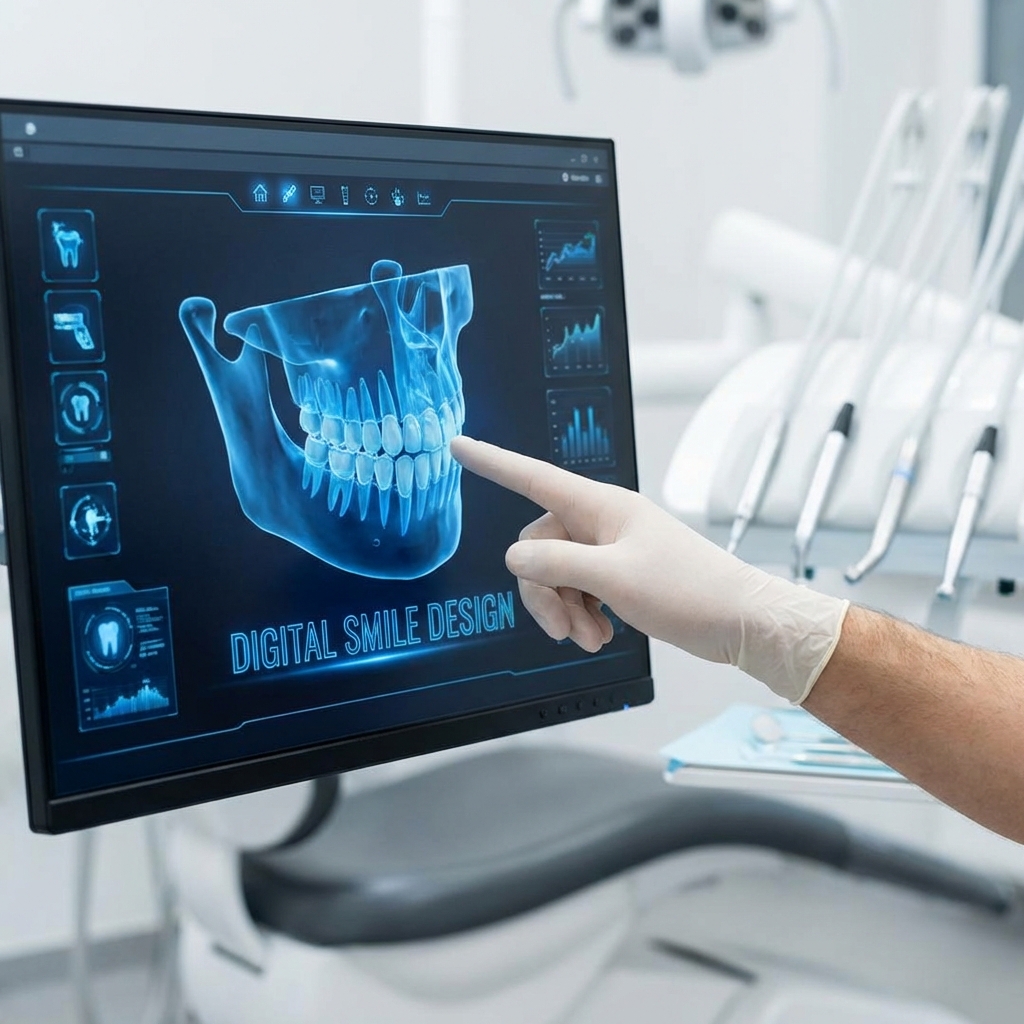
- Was my treatment plan created by analyzing a 3D CT scan or panoramic X-ray?
- Have I verified the official specialty credentials of the exact doctor performing my procedure?
- Does my written price quote include all necessary components (abutment, temporaries, transfers)?
- Do the materials/implants come with global certification passports?
- Have I completed an online video consultation with my doctor prior to travel?
Your Journey to a Confident, Safe Smile
Getting dental treatment abroad—when done with an honest, transparent, and specialized team—is a life-changing decision that protects both your health and your financial well-being. You deserve to be treated as a patient, not a sales quota.
At Master Smile Studio, we ground every procedure in medical ethics, digital precision, and total transparency. We carefully map out your entire treatment plan while you are still at home, and our support continues long after you return from Antalya.
If you have questions or would like a transparent, personalized evaluation, feel free to send us your X-rays or CT scans to connect directly with our specialists.
Wishing you health and confidence in every smile.
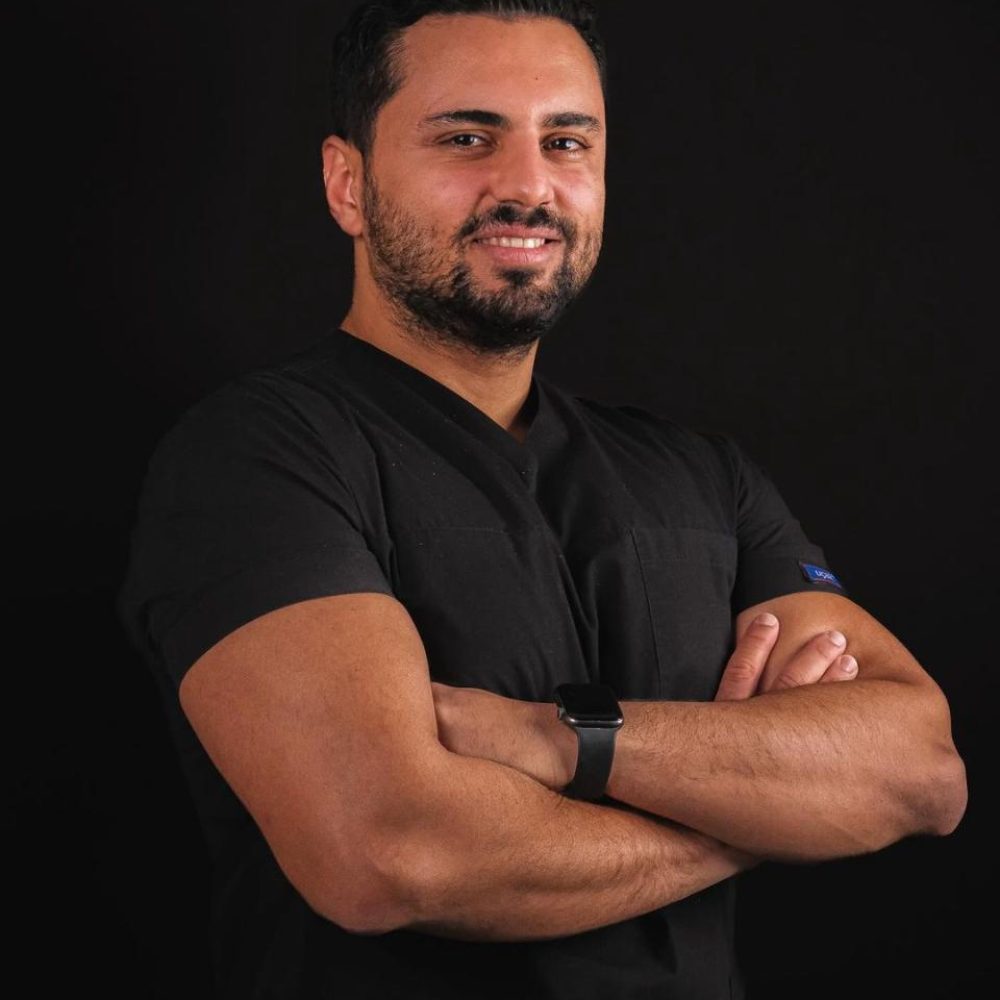
Dr. Ozan Öztürk